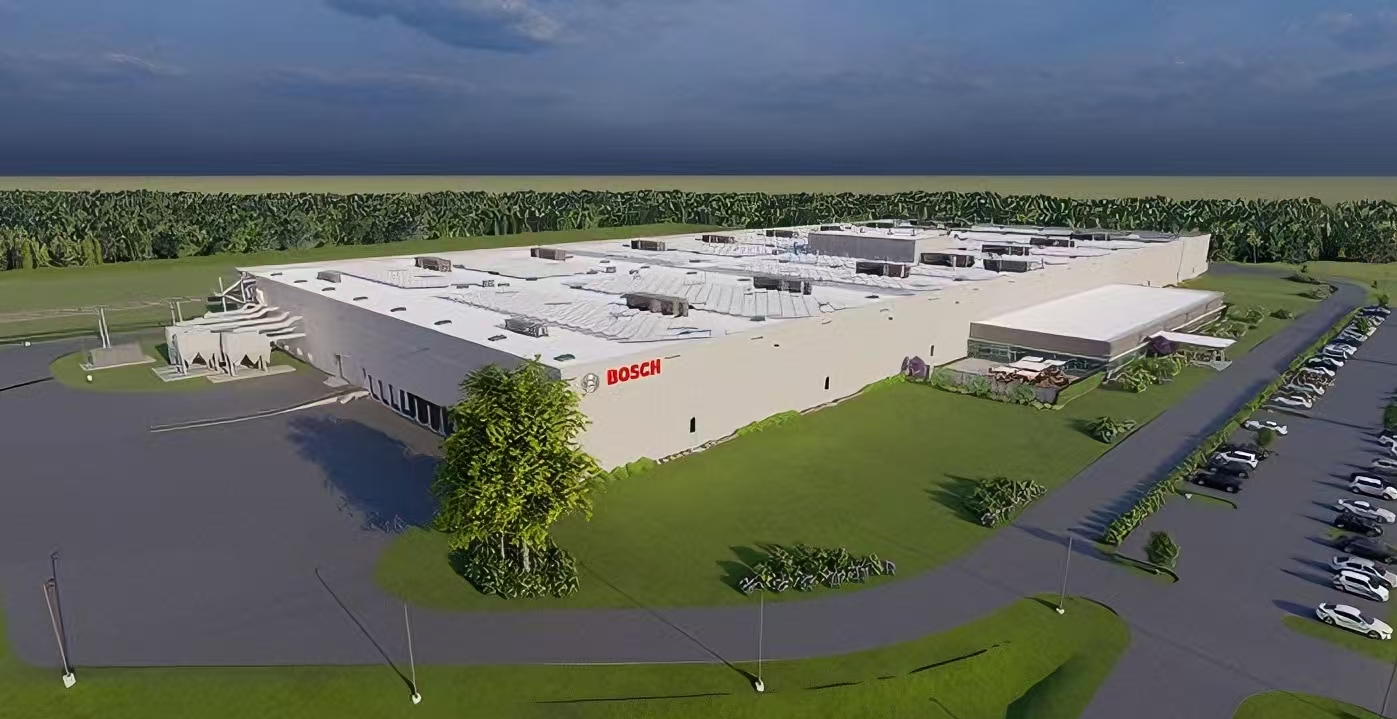
The first thing buyers sense about a Bosch tool is not the origin label—it’s the steadiness in the hand. A quiet kind of confidence. Bosch builds across Germany, Switzerland, China, Malaysia, Mexico, Taiwan, and the U.S.[^1], and each region carries its own tempo. Over time, I’ve learned that what matters is not which country stamped the housing, but which factory truly protects Bosch’s discipline.
Bosch produces power tools across Europe, Asia and North America, with Germany handling engineering-heavy lines and China–Malaysia–Mexico completing most global volume.
Table of Contents
- Why production location matters for Bosch tool buyers
- Comparing Germany, China and Malaysia manufacturing strengths
- Key plant checks to validate Bosch OEM reliability
- Assessing cost stability, service life and fleet-wide ROI
- Conclusion
Why production location matters for Bosch tool buyers
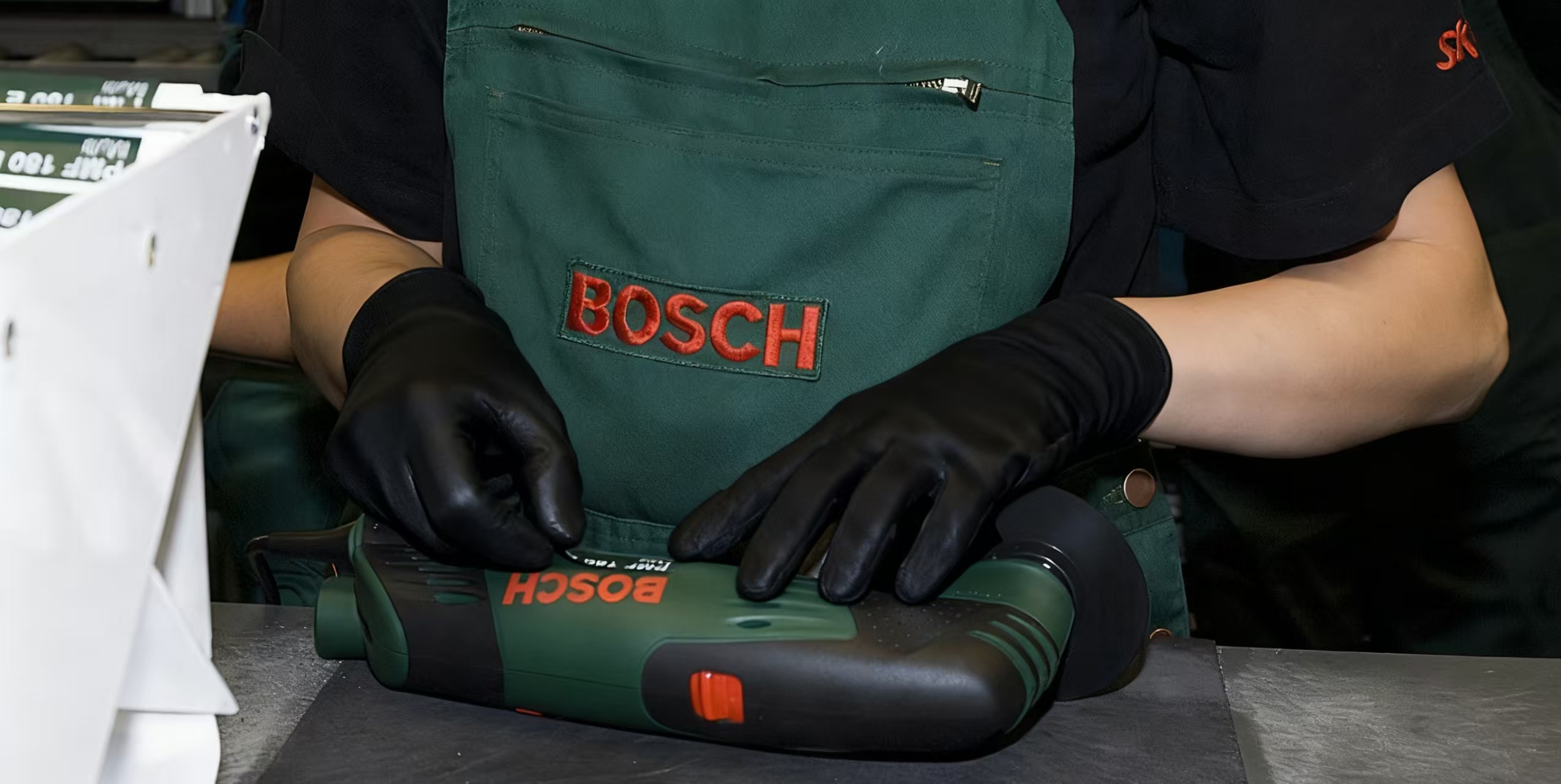
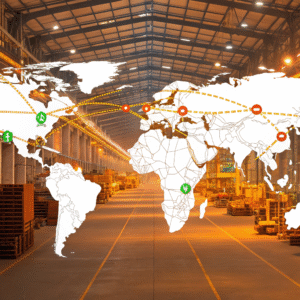
Bosch tools[^2] come from a web of factories spread across continents—Germany, Switzerland, Malaysia, China, Mexico, and the U.S. Buyers don’t analyse production maps for fun; they read origin as a hint about risk, lead time, and the kind of discipline behind a line. Germany leans on long-standing engineering culture, while Malaysia focuses on stability and scale. Meanwhile, I’ve seen China’s Bosch teams move with a different kind of pressure—“don’t be the factory that drops Bosch’s name.”
Some buyers still cling to the old idea that “German-made equals the best,” but Bosch’s globalisation outgrew that logic years ago. Today, consistency has more to do with how the plant is managed than where the plant stands.
| Criterion | High-end Germany | Scaled Asia (China/Malaysia) |
|---|---|---|
| Output volume | Low–moderate | Very high |
| Line discipline | Mature | Intense + closely supervised |
| Cost | Highest | Competitive |
| Risk level | Low | Medium–low with proper oversight |
Comparing Germany, China and Malaysia manufacturing strengths
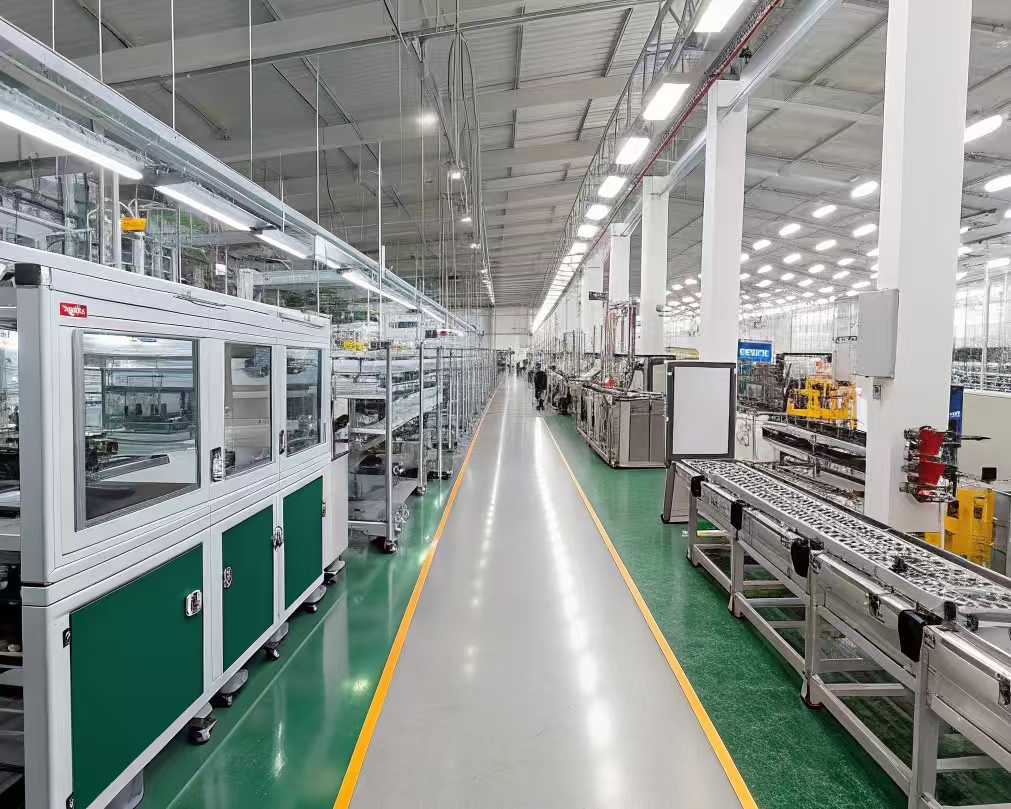
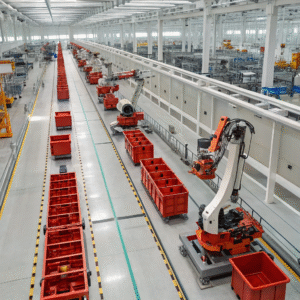
Germany’s Bosch plants carry decades of engineering tradition. They excel in precision assemblies, new-model validation, and small-volume specialty SKUs. China handles a substantial share of cordless tools with speed and strong supplier integration. Malaysia, especially Penang, has become Bosch’s quiet powerhouse[^3]—millions of tools and battery packs shipped yearly, executed with a calm, methodical pace.
In my own factory visits, I noticed an interesting contrast: German lines move like a steady heartbeat. Malaysian lines feel balanced—structured, predictable. Chinese Bosch lines, however, work with a kind of sharpened focus born from intense accountability.
| Aspect | Germany | China | Malaysia |
|---|---|---|---|
| Core strength | Engineering | Speed & capacity | Stability & precision |
| Volume | Low | Very high | High |
| Cost | High | Low | Medium |
| Ideal product type | Specialty tools | Mainstream cordless | Batteries & accessories |
Key plant checks to validate Bosch OEM reliability
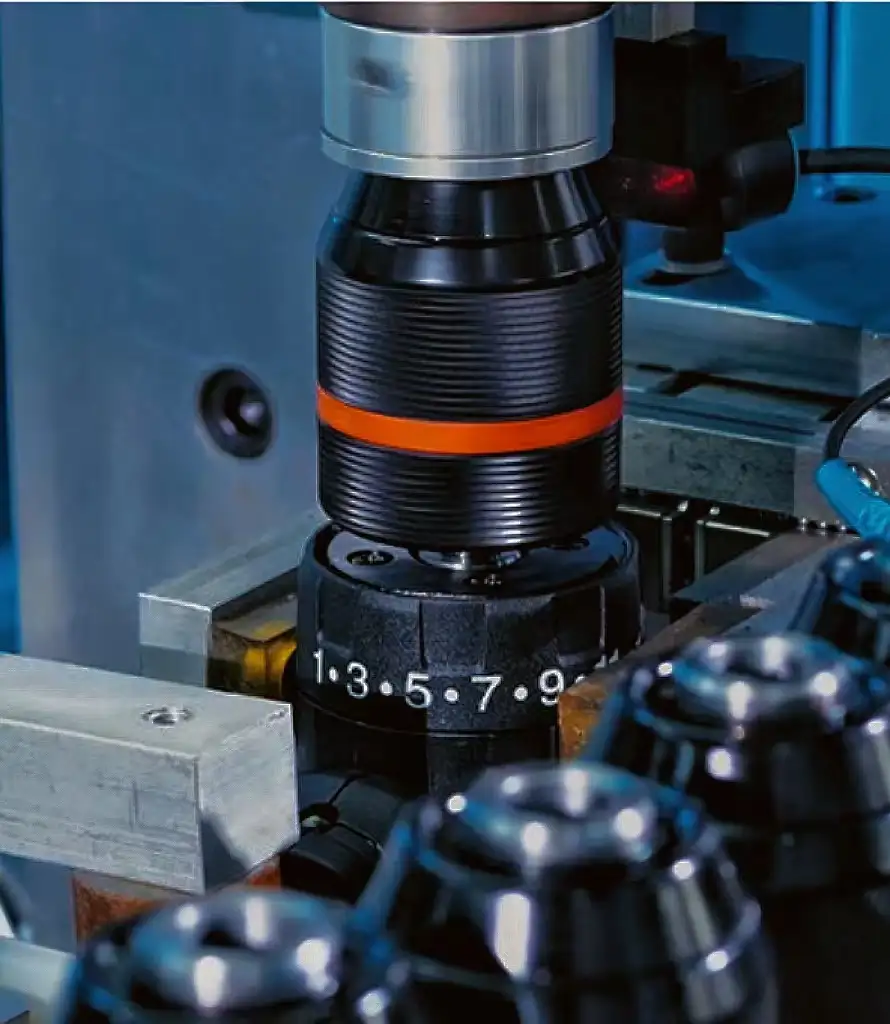
Bosch rarely outsources entire products, but many OEM factories try to imitate Bosch form factors and features. The danger is assuming a tool “shaped like Bosch” behaves like one. The truth sits in the inspection rooms, not the plastic shell.
In my audits, three checkpoints predict most failures: incoming motor and gear quality; battery assembly discipline (spot welds, BMS calibration)[^4]; and torque-testing integrity[^5]. You can tell whether a factory learns or merely repairs by watching its rework patterns. A plant that logs failures and fixes causes will survive; a plant that hides mistakes won’t last a season.
| Step | What to Verify | Why It Matters |
|---|---|---|
| Incoming QC | Motors, gears, bearings | Prevents early-cycle failures |
| Battery build | Cells, welds, BMS | Safety + cycle life |
| Torque tests | Batch sampling | Confirms actual performance |
| Rework zone | Trend logging | Reveals hidden weaknesses |
| Traceability | Code & batch control | Essential for warranty claims |
Assessing cost stability, service life and fleet-wide ROI
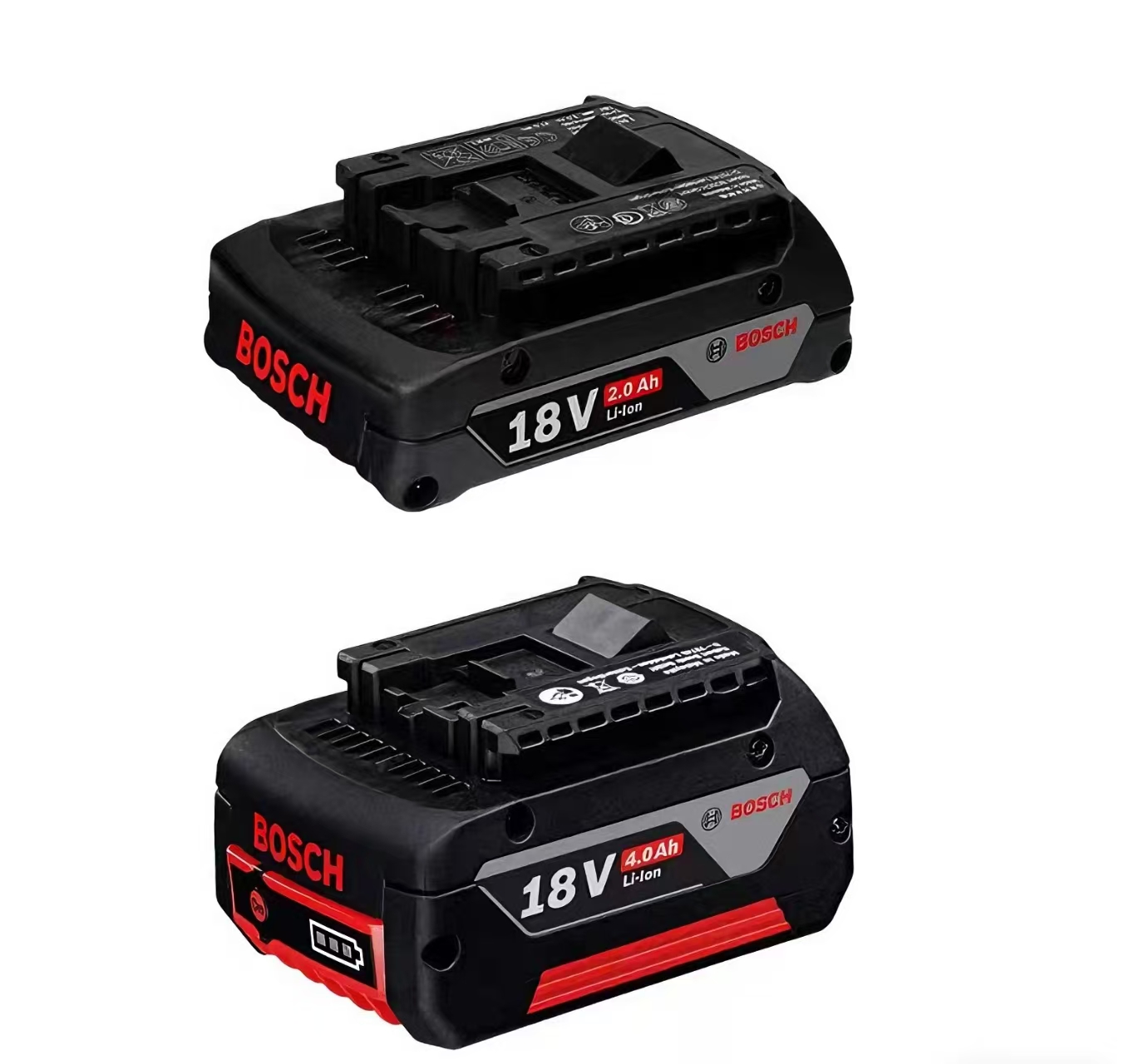
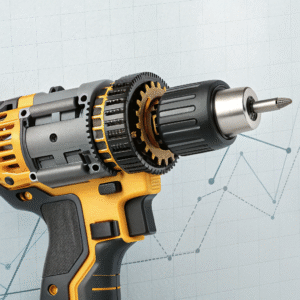
A Bosch tool’s lifespan is the sum of small, invisible decisions—gear hardness[^6], bearing tolerance, thermal management inside the motor, and the grade of lithium cells[^7]. Buyers often judge from the outside, but the real story sits in the components. When I trace failed units back to their source, the trigger is rarely dramatic. It’s fatigue, heat creep, a tolerance pushed a little too far.
Factories that follow Bosch-like discipline—strong incoming QC, consistent torque tests, controlled supplier lists—deliver stable fleets. Buyers who treat inspection as optional end up paying for replacements long after they think they’ve saved money.
| Cost Element | What Buyers Miss | Practical Note |
|---|---|---|
| Cells | Low-grade cells age fast | Request cycle-life tests |
| Bearings & gears | Hardness varies widely | Check supplier list |
| Motor balance | Often overlooked | Affects heat + noise |
| QC time | Rushed under pressure | Require fixed QC checkpoints |
| Warranty cost | Miscalculated | Model 3–5 year ROI |
Conclusion
Bosch tools are shaped by a global network—one that mixes engineering, pressure and discipline across continents. The origin label whispers part of the story, but the real truth lies in how each factory treats the details no one sees. A well-managed line can make a tool feel steady for years; a careless one leaves its flaws for the buyer to discover later.
References
[^1]: Bosch global overview of worldwide websites, locations and regional presence. ↩︎
[^2]: Official Bosch Power Tools division profile and global presence. ↩︎
[^3]: Bosch Malaysia “In Numbers” article highlighting Penang power tools plant output. ↩︎
[^4]: “Battery management system design (BMS) for lithium ion batteries”, AIP Conference Proceedings 2217, 030157. ↩︎
[^5]: Xometry overview of torque testing methods referencing ISO 16047 and ASTM F606 for fasteners. ↩︎
[^6]: Metkon guide to Rockwell hardness testing referencing ISO 6508 for metallic materials. ↩︎
[^7]: TÜV SÜD explanation of IEC 62133 safety testing for lithium-ion cells and batteries. ↩︎