

A Craftsman tool feels familiar in the hand—like a memory from garages and workshops long before supply chains became global. Buyers today still expect that steadiness, but the badge no longer tells the whole story. Production has scattered across continents, and the weight of the tool often carries the weight of economic decisions made far from the workbench. I’ve learned that what matters is not where a factory stands, but whether the people inside still tighten each screw with intention.
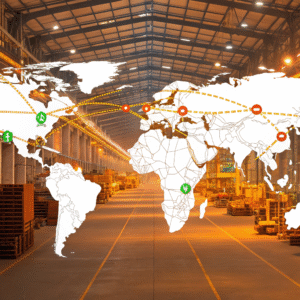
A large share of Craftsman’s modern catalog is no longer made in the U.S.[^1], even if the brand itself was born there[^2]. Parts trace paths across China, Taiwan, Mexico, and occasionally back to American floors under the “Made in USA with global materials” label[^3]. The movement says something about the world—and something about how buyers must read the tools in their hands.
Craftsman produces some items in the U.S., but the majority of its high-volume tools now come from Asia and Mexico.
Table of Contents
- Why Craftsman’s shifting production footprint affects project planning?
- Real differences between U.S., Mexico and China build lines?
- Key quality checkpoints when auditing a Craftsman OEM plant?
- Evaluating durability and warranty value in the mid-tier segment?
- Conclusion
Why Craftsman’s shifting production footprint affects project planning?
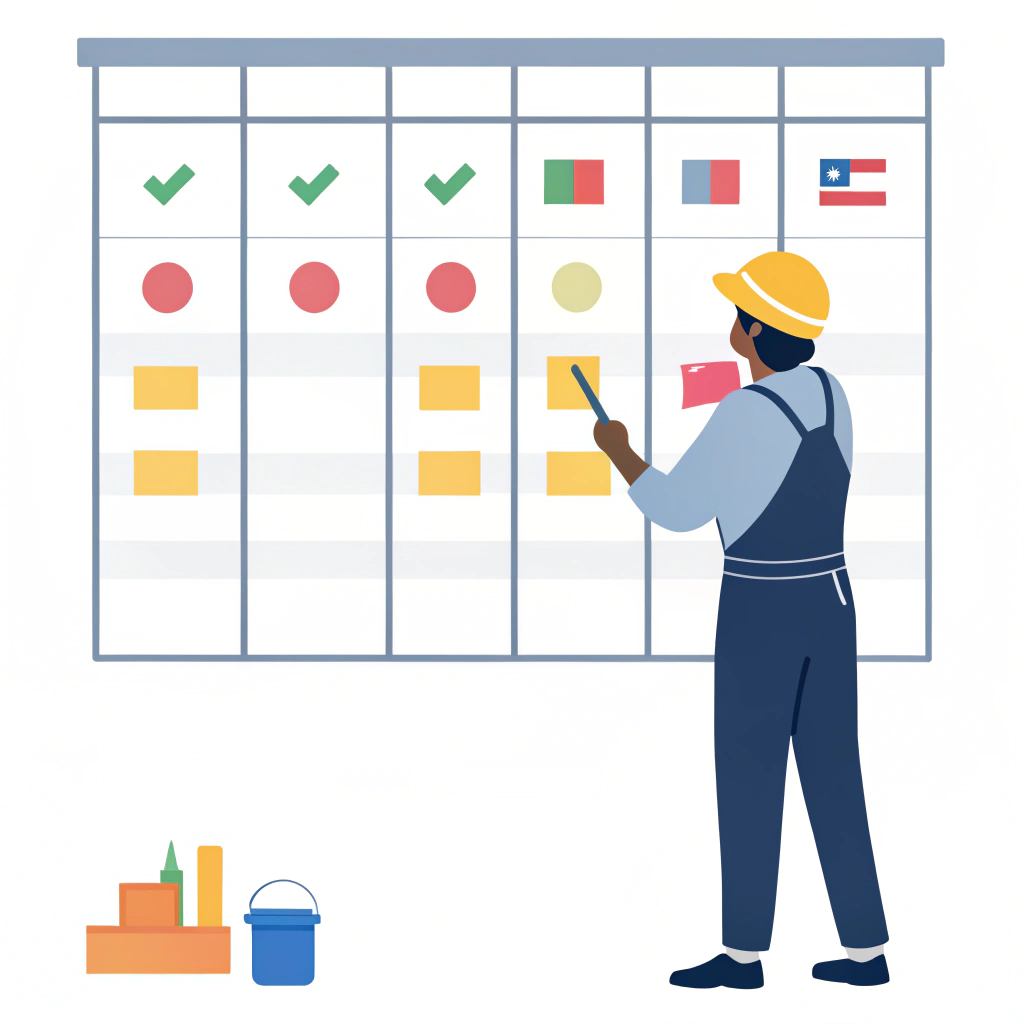
The Craftsman label once felt simple—almost patriotic. Today it reads more like a crossroads. With Stanley Black & Decker[^4] guiding its operations, production stretches from U.S. assembly floors to long-established clusters in China and Taiwan. Some hand tools stay stateside, but many mass-market drills, saws, and socket sets find their beginnings across the Pacific, where supply chains run faster and quieter.
I’ve seen how this shift affects buyers: delivery windows widen or narrow depending on the factory; after-sales predictability depends on whether the line in question treats quality as routine or as an obligation. For project planners, origin now influences everything from budget accuracy to warranty risk.
Regional influence on planning
| Region | Strength | Common Impact on Buyers |
|---|---|---|
| U.S. | Quick communication; specialty items | Higher cost; limited volume |
| China / Taiwan | Mature supply chain; stable volume | Consistent pricing; predictable lead times |
| Mexico | Good for North America logistics | Medium cost; moderate volumes |
Real differences between U.S., Mexico and China build lines?
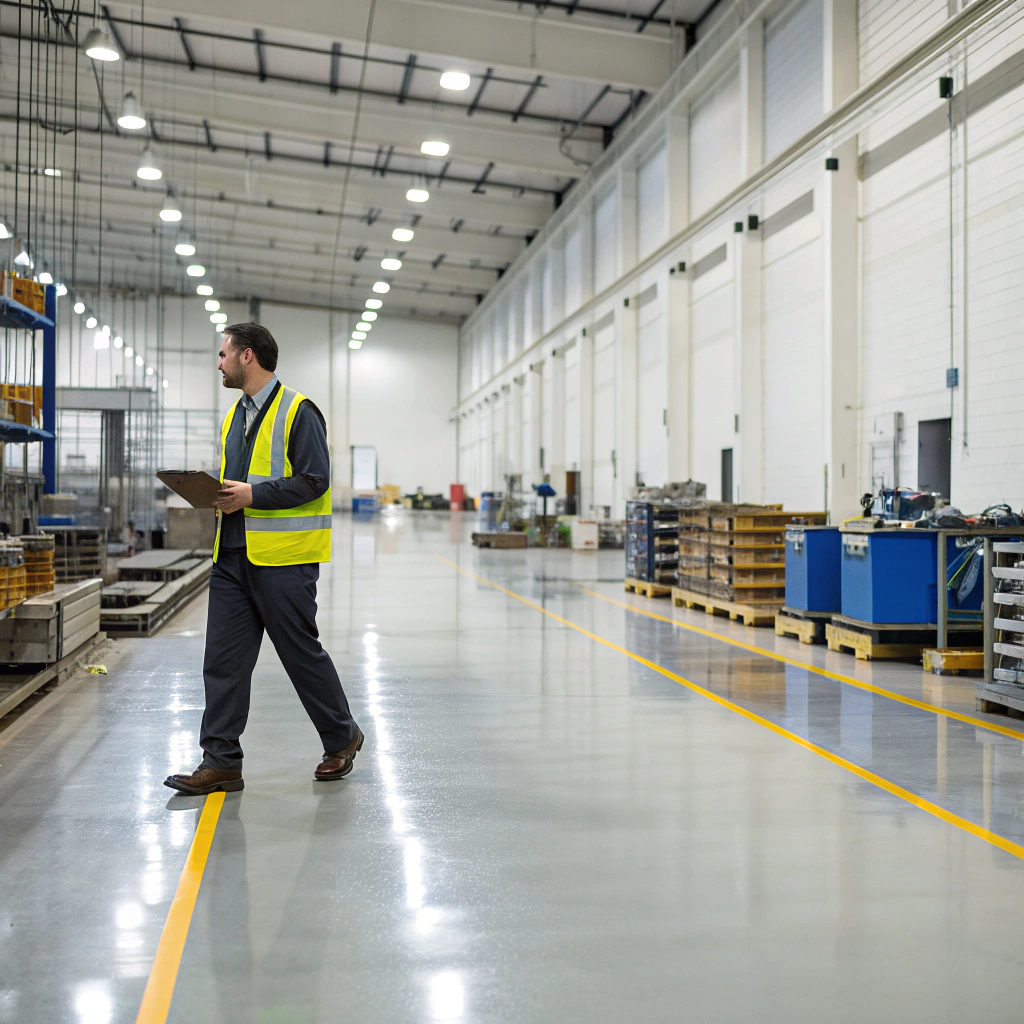
U.S. lines tend to handle symbolic and high-precision items—tape measures, storage units, and select mechanics’ tools. The volumes are modest, but the craftsmanship has an intimacy I still recognize when I hold a well-cut wrench.
China and Taiwan carry the bulk of power tools: motors, housings, gearboxes, and battery shells come from long-established clusters in China and Taiwan[^5] that know these parts like muscle memory. Mexico plays the middle ground—closer to the U.S. market, able to assemble mid-tier volumes with reasonable speed.
I don’t see these regions as competing. They behave more like instruments in an orchestra—each with its own range, each necessary for the full score.
Comparative snapshot
| Aspect | U.S. Lines | Mexico Lines | China/Taiwan Lines |
|---|---|---|---|
| Typical products | Hand tools, storage | Mid-volume tools | High-volume tools, components |
| Cost | Highest | Moderate | Most efficient |
| Consistency | High | Medium | High (mature ecosystems) |
| Flexibility | Low–medium | Medium | Very high |
Key quality checkpoints when auditing a Craftsman OEM plant?

When I walk into an OEM facility producing Craftsman-spec tools, I no longer assume anything from the country alone. What matters is rhythm: how parts enter, how workers handle them, how quietly problems surface before they escape the line.
For Craftsman-tier production, the audit must read like a map of potential failure points—motors, plastic shells, gears, torque routines, battery welds. A factory that fears defects will show it early in the inspection steps; one that hides weaknesses will let them echo months after tools ship.
Practical audit map
| Step | What to Verify | Why It Matters |
|---|---|---|
| Incoming material | Motors, housings, gears | Determines baseline durability |
| Battery build | Pack welds, BMS calibration[^7] | Safety + cycle life |
| Torque tests | Sampling consistency | Tool functionality under load |
| Rework area | Failure patterns | Reveals systemic weaknesses |
| Traceability | Batch coding | Essential for warranty claims |
Evaluating durability and warranty value in the mid-tier segment?

Craftsman doesn’t pretend to be an industrial warrior. It settles, instead, into a middle ground—tools meant for home projects, light professional work, and steady weekend use. In that space, durability comes less from heroics and more from the quiet cooperation of supply chains.
I’ve seen tools fail not because of big mistakes, but because of the humble parts: gear hardness, bearing alignment, cell grade. When those are consistent, the tool lives a calm life. When they’re not, even a casual user can feel the wobble.
What shapes ROI in mid-tier tools?
| Cost Element | Buyer Blind Spot | Practical Note |
|---|---|---|
| Battery cells | Grade variance | Require cycle-test data |
| Gears | Steel hardness inconsistency | Ask for supplier list |
| Motor | Balancing accuracy | Impacts heat + lifespan |
| Packaging | Weak cartons | Causes hidden transit damage |
| Warranty | Underestimated value | Mid-tier tools rely on it |
Conclusion
Craftsman sits in a space shaped by habit and memory, yet powered by global logistics. Its tools borrow parts of their identity from each region that builds them. What matters to buyers is not nostalgia, but how well each factory honors the quiet details—gear tolerances, welds, torque checks—that decide a tool’s future long before it reaches a shelf.
Treat Craftsman as a steady companion, not a miracle worker. If you respect what it is—a mid-tier tool built across continents—it rewards you with reliability that feels humble but honest.
Footnotes
[^1]: Toolguyd analysis of Craftsman’s shift away from U.S.-made tools. ↩︎
[^2]: CRAFTSMAN official history page describing the brand’s U.S. origins. ↩︎
[^3]: FTC guidance explaining “Made in USA” and related origin claims. ↩︎
[^4]: Stanley Black & Decker brands overview including the CRAFTSMAN line. ↩︎
[^5]: Article discussing Craftsman manufacturing footprints and toolbox production in China. ↩︎
[^6]: ASQ overview of ISO 9001 quality management system requirements. ↩︎
[^7]: MDPI review on welding quality and assurance in battery pack assembly. ↩︎
References
[1] Toolguyd – “Craftsman’s USA-Made Tools in 2022 and Beyond”. ↩︎
[2] CRAFTSMAN – “Our History”. ↩︎
[3] U.S. Federal Trade Commission – “Complying with the Made in USA Standard”. ↩︎
[4] Stanley Black & Decker – “Our Brands: CRAFTSMAN”. ↩︎
[5] Diversitech Global – “Are Craftsman’s Toolboxes Manufactured in China?”. ↩︎
[6] ASQ – “ISO 9001:2015 Quality Management Systems”. ↩︎
[7] MDPI Batteries Journal – Article on weld quality and safety in battery pack assembly (e.g., Batteries 10(5):146). ↩︎