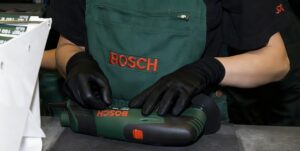


A tool’s birthplace whispers something about its maker. Buyers read that label not for patriotism, but for clues—whether a rotary hammer will endure the cold mornings on a jobsite, or whether it will quietly disappoint long before its warranty card grows old. Milwaukee’s manufacturing footprint stretches across continents[^1], and because of this, the origin often hints at the ecosystem behind the tool: the discipline, the supply chain, and the hands that shaped it.
A significant portion of Milwaukee’s identity still anchors itself in the United States, yet its real production strength lies in a wider global network—one designed for scale, precision and relentless iteration.
Table of Contents
- Why Milwaukee’s global manufacturing footprint affects pro buyers?
- Comparing US, China and Europe production strengths and limits?
- Factory evaluation steps to confirm Milwaukee OEM consistency?
- Weighing durability, parts support and long-term fleet ROI?
- Conclusion
- References
Why Milwaukee’s global manufacturing footprint affects pro buyers?
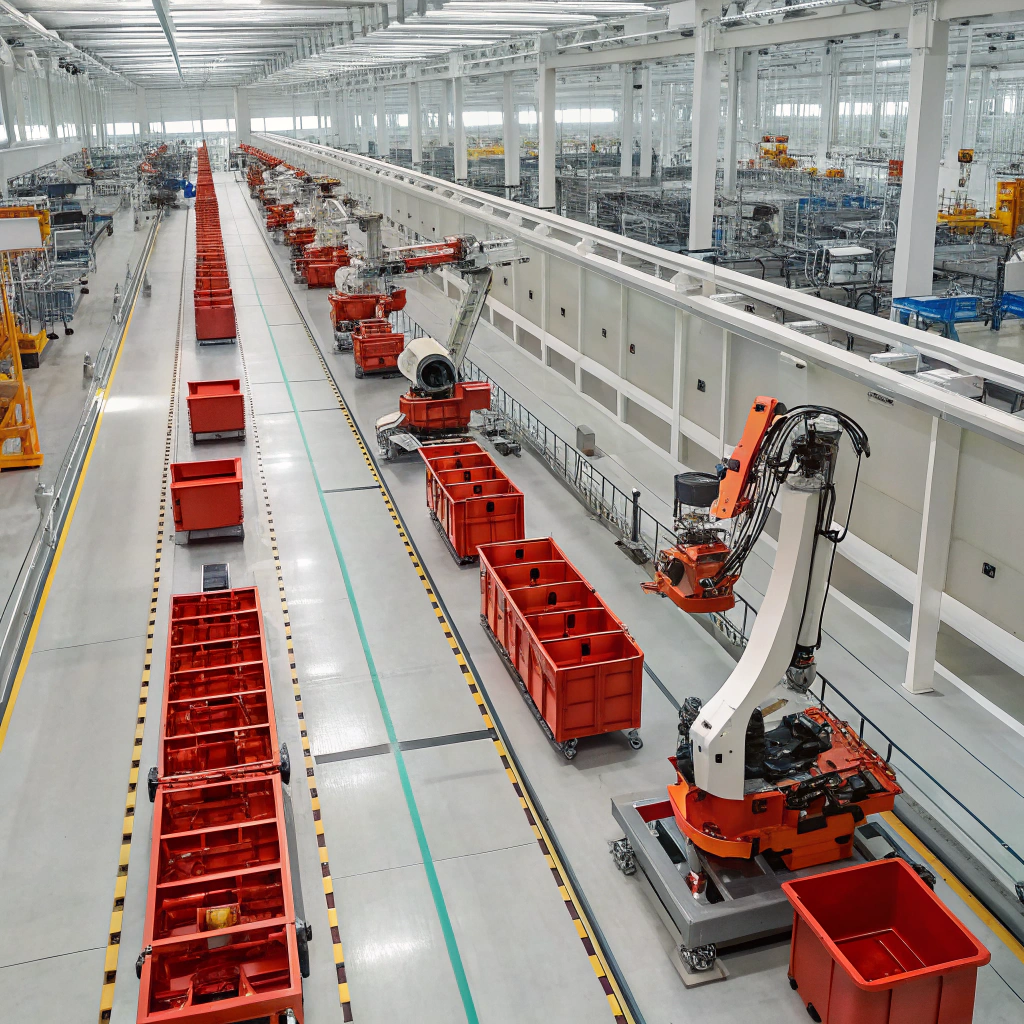
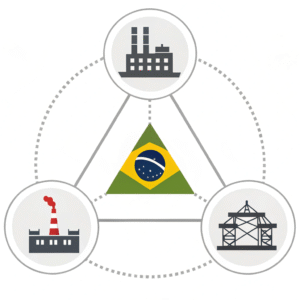
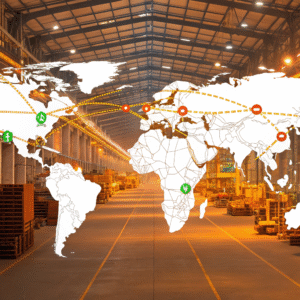
Milwaukee produces across an expansive map[^2]—U.S. factories in Wisconsin and Mississippi, high-volume cordless lines across China and Mexico, and expanding operations in Vietnam. Because of this, the tool in a contractor’s kit is no longer the product of a single nation but a supply chain choreography.
Moreover, pro buyers care not because they fetishize a region, but because they know performance often mirrors the maturity of the ecosystem behind it. China’s coastal hubs can turn out dense batches of M18 tools with speed[^3]; U.S. plants still specialize in blades and precision assemblies; Europe handles niche components and specialty tooling. As a result, origin becomes a shorthand for understanding the strengths and limits each region brings.
| Criterion | U.S. Plants | Overseas Plants (China/Mexico/Vietnam) |
|---|---|---|
| Strength | Precision tooling, blades, core assemblies | High-volume cordless tools |
| Cost | Highest | Competitive |
| Lead time | Short for U.S. buyers | Faster for bulk orders |
| Flexibility | Low | High, rapid iteration |
Comparing US, China and Europe production strengths and limits?
U.S. production remains Milwaukee’s flagship identity—crafted blades, hand tools and select assemblies come from well-equipped plants in Wisconsin and Mississippi[^4]. However, the heart of Milwaukee’s volume sits in China and Mexico, where entire manufacturing ecosystems cluster tightly together. For example, Chinese regions such as Dongguan and Suzhou have the density of suppliers—motors, housings, batteries, electronics—that allow Milwaukee to scale quickly and consistently.
On the other hand, Europe contributes specialized units, benefiting from stable engineering talent and regulatory-driven consistency. Each region holds distinct advantages: the U.S. provides branding and precision, Asia provides speed and scalability, and Europe provides engineering depth.
| Aspect | U.S. | China | Europe |
|---|---|---|---|
| Role | Precision tools | High-volume cordless tools | Specialty engineering |
| Cost | High | Low–medium | Medium–high |
| Ecosystem depth | Medium | Very high | Medium |
| Strength | Branding + QC | Speed + scalability | Niche quality |
Factory evaluation steps to confirm Milwaukee OEM consistency?
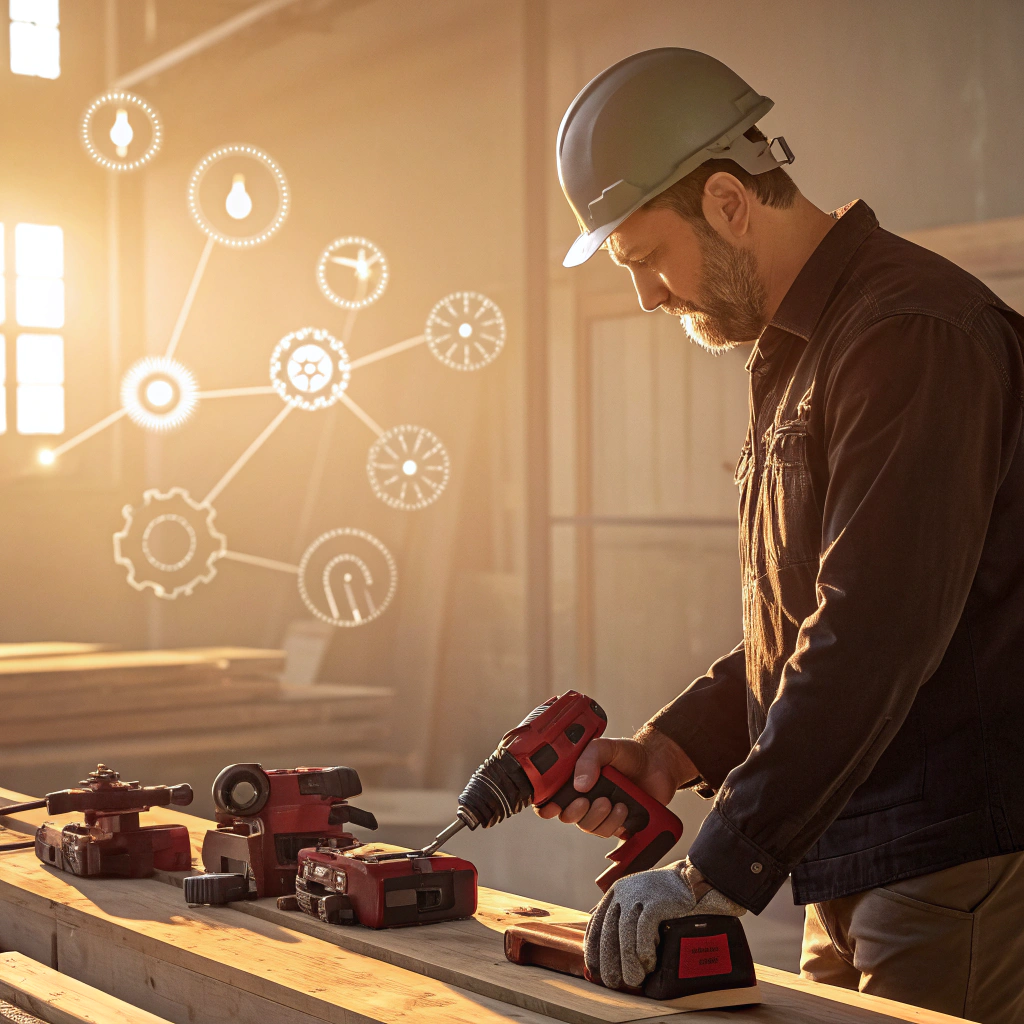
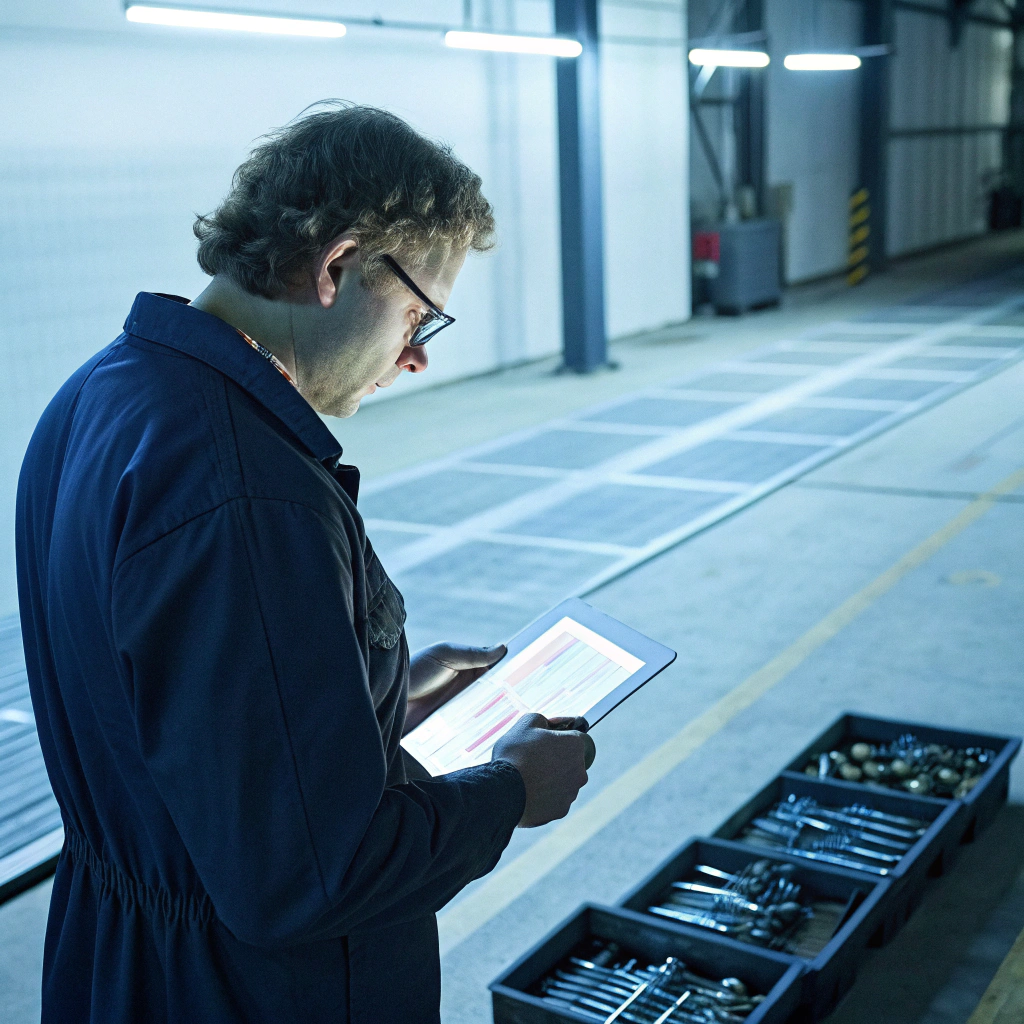
OEM factories producing Milwaukee-style tools vary widely. Therefore, a disciplined audit reveals more about future performance than origin labels ever could. In my own visits to China and Mexico, the pattern is always the same: the best factories win not by looking impressive, but by repeating good habits consistently.
For example, start with incoming parts—motors, cells, PCBs. Then, move to battery assembly where BMS calibration[^5] and cell pairing often determine long-term stability. Moreover, torque testing and endurance runs expose weak assembly lines quickly. As a result, factories with stable routines show steady quality; factories with “good samples but messy mass production” are always the ones that hurt buyers later.
| Step | What to Verify | Why It Matters |
|---|---|---|
| Incoming QC | Motors, PCBs, cells | Defines base reliability |
| Battery assembly | Spot welds, BMS | Affects heat + lifespan |
| Torque tests | Batch sampling | Reveals assembly accuracy |
| Endurance runs | Load testing | Predicts failure modes |
| Rework logs | Patterns of defects | Shows systemic weaknesses |
Weighing durability, parts support and long-term fleet ROI?
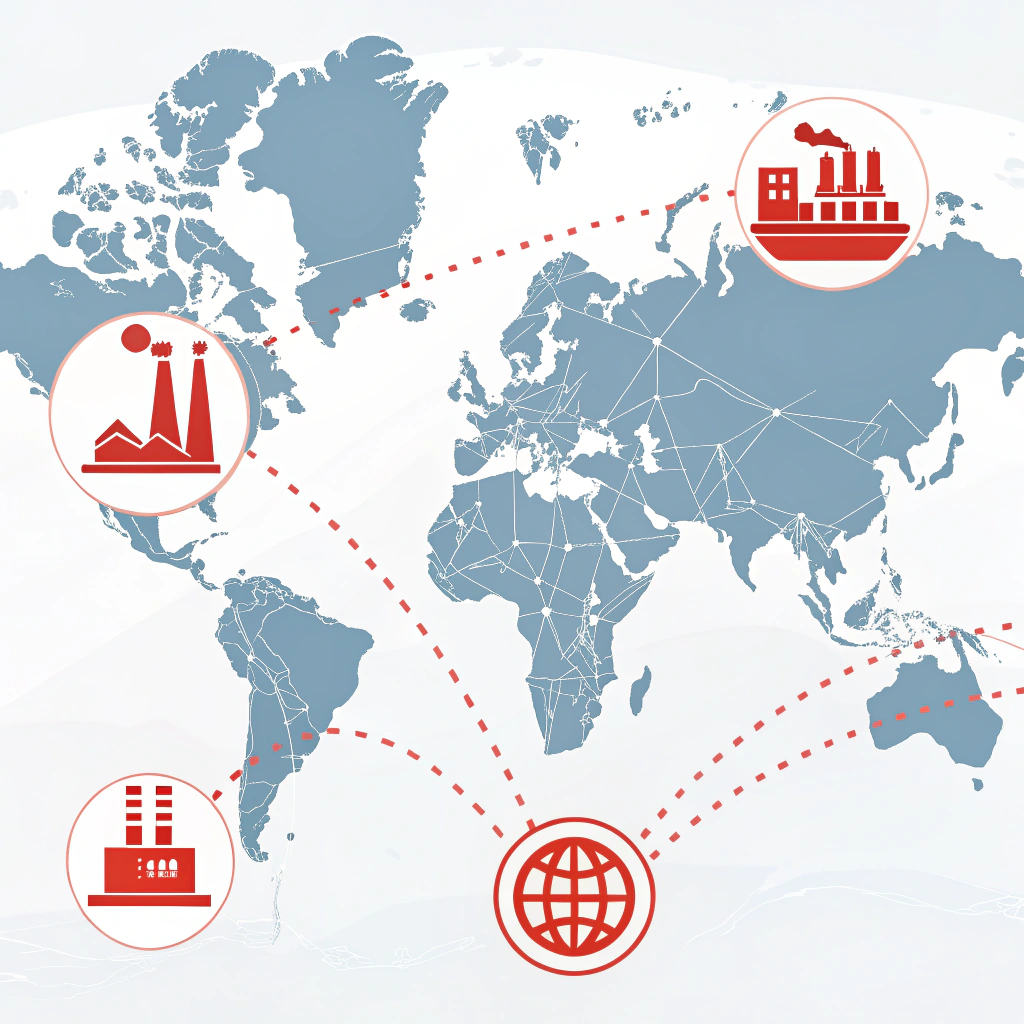
A fleet’s ROI rarely collapses in a dramatic failure. More often it erodes quietly—worn gears, fatigued cells, overheated motors. The stability of these components depends heavily on the maturity of the region’s supplier base. For example, China’s coastal factories provide consistent motors and housings; Vietnam’s expanding plants cover accessories; U.S. sites still protect Milwaukee’s specialty output.
Therefore, buyers who rely on “good samples” as reassurance often miss the real cost curve. The ones who ask for supplier lists, torque-test charts, and battery cycle data[^6] usually see lower long-term variance. On the other hand, neglecting parts availability or after-sales responsiveness can sink ROI even when the tools perform well mechanically.
| Cost Element | Common Oversight | Real Impact |
|---|---|---|
| Battery cells | Grade not verified | Cycle fade + heat |
| Motors & gears | Supplier unknown | Breakage variance |
| Spare parts | Not contracted | Fleet downtime |
| QC steps | Not enforced | Field failures |
| Warranty terms | Not compared | Hidden long-term cost |
Conclusion
Milwaukee’s manufacturing map is not a story of one country outperforming another. It is a choreography of ecosystems—precision in the U.S., scale in China and Mexico, and specialty engineering across Europe. A tool carries traces of the supply chain that shaped it: the steadiness of a motor supplier, the discipline of an assembly line, the integrity of a battery build.
Buyers who study these patterns tend to build fleets that age more slowly. Those who chase labels rather than processes often pay a quiet price months later.
References
[^1]: FridayParts global guide to Milwaukee Tool production locations and manufacturing footprint. ↩︎
[^2]: Wikipedia entry outlining Milwaukee Tool’s history, ownership and worldwide manufacturing base. ↩︎
[^3]: RedToolStore article explaining where different Milwaukee tool lines are manufactured worldwide. ↩︎
[^4]: Milwaukee Tool press release on expanding U.S. manufacturing in Mississippi and Wisconsin. ↩︎
[^5]: Monolithic Power Systems article on battery management system design and calibration. ↩︎
[^6]: Intertek overview of battery testing, performance, and lifecycle (cycle-life) evaluation services. ↩︎
[^7]: Techtronic Industries annual report summarizing Milwaukee’s role and global manufacturing operations. ↩︎